

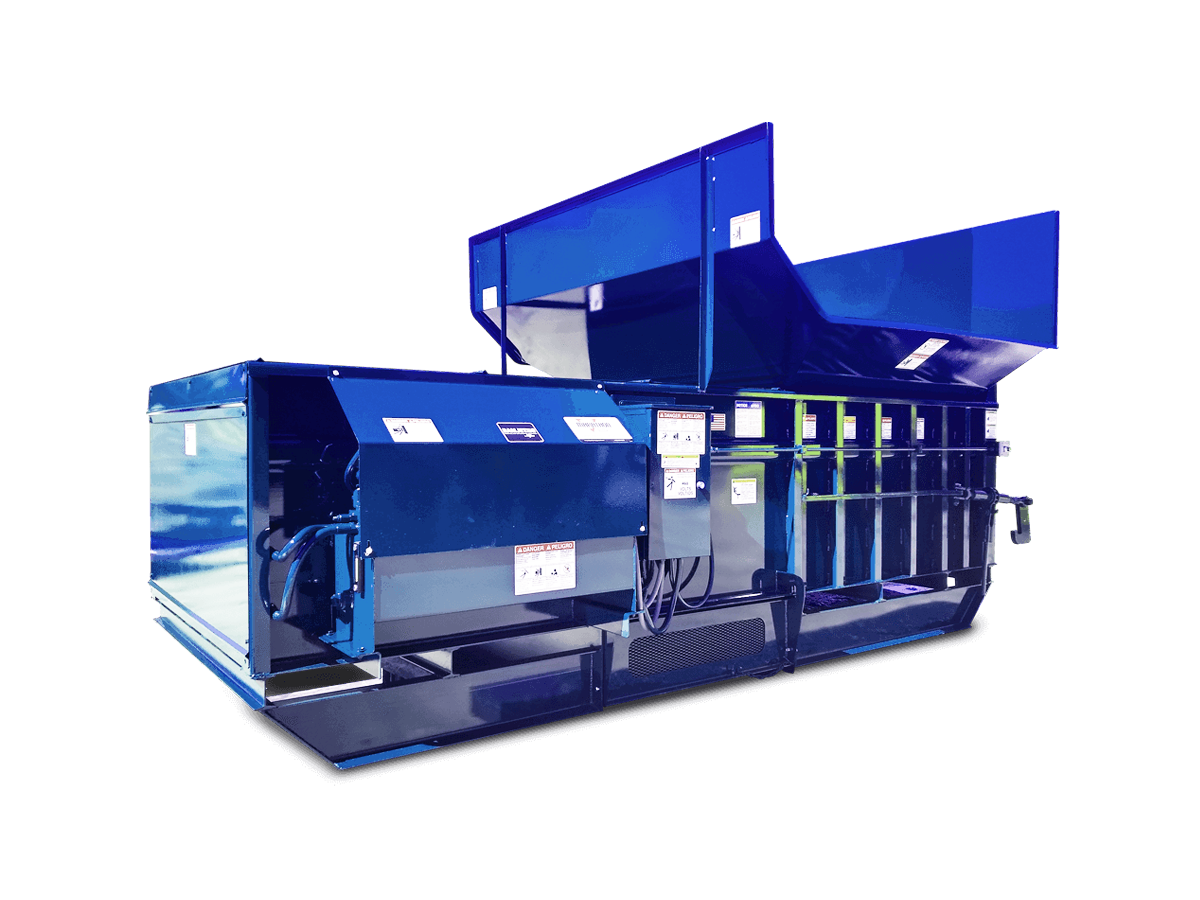
Reduce Dry Waste Volume. Make Every Pickup Count.
Stationary compactors compress dry waste into a separate receiver container, helping facilities make better use of collection space and potentially reduce hauling frequency. When the container is full, it is removed for emptying while the compactor stays on site.
Box Gang sources stationary compactors from International Container Co., Marathon Equipment Company, and Sebright Products. We also offer compactor receiver containers, helping you select the equipment and container combination that fits your materials, facility, and collection process.
Brands We Represent
Explore stationary compactor options from the manufacturers we represent. Our team can help you compare equipment based on your waste volume, material size, loading method, and available space—and match it with an appropriate receiver container.

International Container Co. offers stationary compactors for commercial and industrial operations handling dry waste. Its lineup provides options for facilities looking to consolidate materials such as paper, cardboard, and packaging into a detachable receiver container.

Marathon manufactures a broad range of stationary compactors for commercial and industrial waste handling. Its equipment offers choices for different material volumes and loading requirements, from routine facility waste to more demanding applications.

Sebright manufactures stationary compactors for retail, commercial, and industrial applications. Box Gang can help you review available equipment and identify a configuration suited to your waste stream and facility requirements.
Available Models & Sizes
| Model Name | Charge-Box Capacity (Cubic Yards) |
|---|---|
| RJ-225 | 1.51 |
| RJ-225HD | 1.53 |
| RJ-225 Ultra | 1.53 |
| RJ-275 | 2.01 |
| RJ-275XHD | 2.01 |
| RJ-325 | 2.54 |
| RJ-325HD | 2.51 |
| RJ-450 | 2.97 |
| RJ-450HD | 2.95 |
| RJ-500 | 3.17 |
| RJ-500HD | 3.12 |
| RJ-550 | 4.20 |
| RJ-575HD | 4.23 |
| Trash Commander TANK TC-220T | 1.42 |
| Trash Commander TANK TC-220T HF | 1.42 |
| Trash Commander TANK TC-300T | 2.27 |
| Trash Commander TANK TC-300T HF | 2.27 |
Capacities shown refer to the compactor charge box. Receiver containers are sized separately. Specifications are subject to change. Contact Box Gang for help selecting a compactor and compatible receiver container.
| Model Name | Throughput (Cubic Yards per Hour) |
|---|---|
| 4660 1-6 | Up to 120 |
| 4860 1-6 | Up to 84 |
| 5060 1-6 | Up to 89 |
| 5260 1-6 | Up to 126 |
| 6060XHD 2-6 | Up to 82 |
| 7460 1-6 | Up to 153 |
| 8260 1-6 | Up to 172 |
| 9860 2-6 | Up to 196 |
| 10660 2-6 | Up to 204 |
| Portable Compactor | Varies by Model |
Throughput figures are manufacturer-published processing rates, not charge-box or receiver-container capacities. Actual performance varies with material and operating conditions. Contact Box Gang for sizing and configuration assistance.
Need Help Comparing Your Options?
Capacity is only part of the decision. Our team can help you compare equipment based on your materials, loading process, site layout, and hauling arrangements.
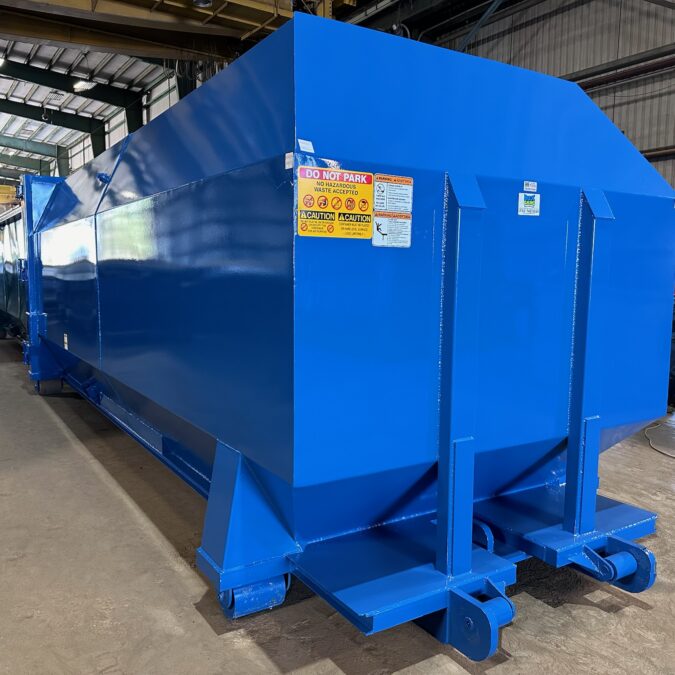
Pair Your Compactor with a Box Gang Receiver Container
The receiver container holds the compacted material and travels with the hauler for emptying. Its size, connection, and hauling configuration need to work with both the compactor and the collection equipment.
Box Gang offers compactor receiver containers for new installations and replacement needs. Send us your compactor information, existing container dimensions, and hauling requirements so our team can help you find the right fit.
A Practical Solution for Facilities Generating Dry Waste
Stationary compactors are commonly considered where recurring volumes of dry waste take up valuable collection space. These applications provide a starting point; the material mix and loading process determine the right equipment.
Shipping and receiving operations generate packaging and other dry materials throughout the day. A stationary compactor can provide a central collection point for suitable waste streams.
Stockrooms and shared service areas often handle recurring volumes of packaging and general dry refuse. Equipment selection should account for tenant needs, loading access, and pickup arrangements.
Production and assembly operations may benefit from compaction of suitable dry scrap and packaging. Material size, density, and volume help determine the appropriate machine.
Facilities with multiple buildings can consolidate suitable dry waste at a central service location. Food waste and other wet materials should be evaluated separately when selecting equipment.
Let’s Match the Compactor and Container to Your Operation
Whether you’re planning a new installation or replacing existing equipment, Box Gang can help you review your options. Tell us about your materials, waste volume, site layout, and collection arrangements so we can discuss the right compactor and receiver container for your needs.